

Right Now

Dry Eyes in Diabetic Patients - Why You Should Take It Seriously
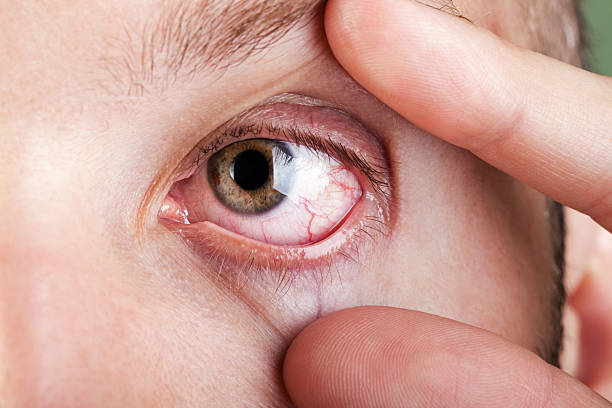
Dry eye is a disease that affects up to 54% of diabetics. Compared to other diabetes-related eye conditions like glaucoma and retinopathy, which typically receive more attention, the symptoms - dry, red, stinging, or sensitive eyes - may not seem like a major concern.
However, without dry eye treatment, the condition can harm your vision, so it's critical to address it.
What Is Dry Eye Syndrome?
Wet eyes are indicative of health. Tears are continuously produced by the ducts in the front corner of the human eye. These tears, which cover the eyes to allow for clear vision, are composed of water, oil, and mucus. Tears also contain metabolites, signaling molecules, and enzymes that are vital for preserving the condition of your eyes' surface.
Lack of these vital fluids is the exact definition of dry eye syndrome. Dry eyes may also indicate improper tear production. In essence, dry eyes can result from a malfunction in any of the intricate systems that keep your eyes working, even if it's simply a slow blink rate.
Why Having Diabetes Increases Your Risk of Developing Dry Eyes?
High blood sugar can harm the tiny blood arteries that supply the nerves and tissues in the eyes, which is one of the primary causes of dry eye in diabetics. Dysfunction of nerves, particularly those that produce tears, may result from this. Reduced tear production and an imbalance in the makeup of tears may result from this.
The meibomian glands in the eyelids, which create an oily film that aids in preventing tear evaporation, can also be impacted by diabetes. Your eyes will feel dry if your glands are unable to keep up. Additionally, diabetes can lead to inflammation in the eyes, which can further disturb this protective layer of oil and cause more tears to evaporate.
It's crucial to remember that not everyone with diabetes will experience dry eye, just as not everyone will experience diabetic eye disease. Your chance of developing dry eyes may also be increased by the following:
Environmental elements (such as being in a dry climate);
Putting on contact lenses;
Having another illness (like rheumatoid arthritis);
Taking specific drugs, like blood pressure or antidepressants.
Symptoms of Dry Eyes
It's critical to understand the signs of dry eye so you can discuss therapy with a medical practitioner. Dry eye symptoms can include:
Red eyes;
Eye burning or stinging;
A gritty sensation in the eyes;
An increase in the mucus surrounding the eye;
Vision problems or trouble reading;
Increased or unusual irritation caused by smoke or wind;
Pain or discomfort when wearing contact lenses.
Excessive eye watering (which may be the result of your eyes trying to make up for poor-quality tears).
Treatment and Prevention
Fortunately, there are several things you can do to safeguard your eyes, beginning with being aware of what to watch out for. It's crucial to let an ophthalmologist or endocrinologist know if you experience dry eye symptoms.
Maintaining blood sugar within the target range is the most important thing diabetics can do to lower their risk of ocular problems. For some people, this may eliminate all symptoms and consequences related to dry eyes without the need for additional care.
Generally speaking, anti-inflammatory eye drops or artificial tears that stimulate the production of tear components can be used to treat dry eyes. Keeping your eyelashes free of dirt and applying warm compresses may also help alleviate symptoms.
The severity of your dry eye condition and any additional risk factors you may have may determine how you are treated. If you take blood pressure medication, for example, your eye doctor can assist in creating a treatment plan that protects your eyes while managing other risk factors.
Why It's Critical to Treat Dry Eye?
The symptoms of mild to moderate dry eye are annoying but unlikely to impair your eyesight. However, severe dry eye might result in corneal scarring and ulceration if treatment is not received. Your vision may be permanently harmed by corneal damage. Preventing these consequences requires early diagnosis and treatment.
Furthermore, diabetic retinopathy (DR) has been connected to dry eye in diabetics. Damage to the blood arteries that nourish the specialized cells in your retina that aid in vision causes DR.
Researchers found that approximately 25% of participants with diabetes and dry eye had late-stage DR and about 45% had early-stage DR. This implies a possible connection between these two consequences of diabetes.
The bottom line
Everyone should have annual eye exams, but people with diabetes need them more than anyone else.
More Posts


Report This Post
Please complete the following requested information to flag this post and report abuse, or offensive content. Your report will be reviewed within 24 hours. We will take appropriate action as described in Findit terms of use.
