

Right Now

Invisalign vs. Damon Braces: Which Orthodontic Treatment Makes More Sense
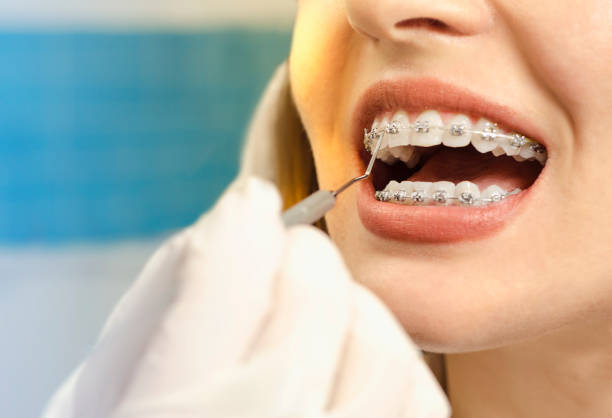
You catch your reflection in a shop window and suddenly notice the tooth that has been leaning slightly left for approximately forever. You have considered straightening it, but the idea of choosing between clear aligners and braces feels almost as complicated as choosing a phone plan. Fortunately, the decision gets easier when you compare how each option fits your teeth, routine, and patience level.
Invisalign Keeps Things Under the Radar
Clear aligners are popular partly because they are discreet. Instead of brackets and wires, a series of custom trays gradually guides teeth toward planned positions. They can be removed for meals, brushing, and flossing, which is wonderfully convenient when dinner involves something determined to get stuck everywhere.
That flexibility is also the catch. Successful teeth straightening with aligners depends heavily on wearing them as directed. If the trays spend more time in a drawer than in your mouth, progress can slow down. An orthodontist can also tell you whether your specific bite and tooth movements are suitable for aligners.
Damon Braces Take a Different Route
The Damon system braces approach uses fixed brackets with a specialized mechanism for holding the orthodontic wire. Because the appliance stays attached, you do not have to remember to put anything back after lunch or negotiate with yourself about whether “just one more hour” without aligners really matters.
They are visible, although modern versions can look more streamlined than traditional braces. For some people, fixed treatment is reassuring because the appliance is always working according to the treatment plan.
Which One Is More Comfortable?
Neither option gets a universal trophy for comfort. Aligners may feel smooth and removable, but a new tray can create pressure as teeth begin moving. Braces can cause temporary tenderness, particularly after adjustments, and brackets may take some getting used to.
Your mouth will probably complain a little either way. It is moving teeth, not rearranging throw pillows.
What About Eating and Cleaning?
This is where lifestyles become important. With Invisalign, you generally remove the trays when eating and clean your teeth before putting them back in. That makes meals straightforward, although it requires discipline and a little planning.
With fixed appliances, you can eat normally within your orthodontist’s guidelines, but certain hard or sticky foods may be off the menu. Cleaning around brackets and wires also takes extra attention.
For someone who loves crunchy snacks and hates routines, neither option is completely magical.
Which Treatment Handles Your Case?
This is the big question, because teeth straightening is not simply about picking the least noticeable appliance. Mild crowding may be manageable with clear aligners, while more complicated bite issues or tooth movements may make fixed braces a better fit.
The Damon system braces may be recommended when your orthodontist wants continuous, controlled tooth movement without relying on patient compliance. That does not automatically make them superior; treatment decisions should be based on your actual dental needs.
Think About Your Personality Too
There is a surprisingly human part of this decision. Are you organized enough to keep track of removable trays? Will you remember to wear them consistently? Would you rather have an appliance working quietly in the background without needing daily decisions?
For some people, Invisalign fits beautifully into work, social life, and travel. Others prefer the predictability of fixed appliances. Good teeth straightening should fit your real routine, not an imaginary version of you who never forgets anything.
The Bottom Line
Invisalign and Damon braces can both be effective orthodontic options, but neither wins automatically. Your bite, tooth position, treatment goals, lifestyle, and ability to follow instructions all matter.
A consultation gives you the useful details: expected treatment length, maintenance, limitations, comfort, and what results are realistic. If the Damon system braces suit your case, fixed treatment may make sense. If removable aligners match your needs and habits, Invisalign could be the easier everyday companion.
The best choice is not necessarily the trendiest one. It is the treatment you can realistically live with from the first appointment to the final smile.
More Posts


Report This Post
Please complete the following requested information to flag this post and report abuse, or offensive content. Your report will be reviewed within 24 hours. We will take appropriate action as described in Findit terms of use.
