

Right Now

7 Facts About Dental Implants You Should Know Before Treatment
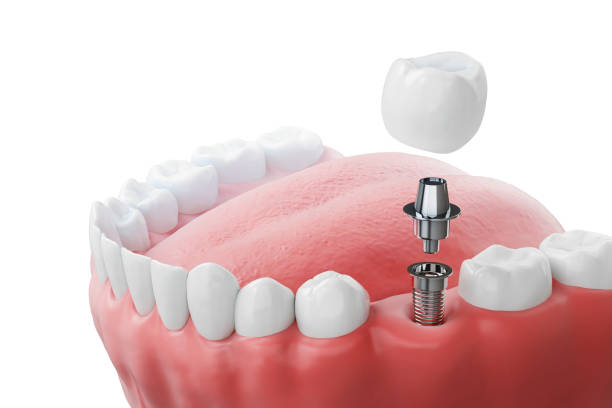
Tooth loss is not just an aesthetic problem since it can also affect your overall oral health. Even a single missing tooth can affect the way you chew food, shift adjacent teeth, and lead to gradual bone loss. Modern dentistry offers an effective solution called dental implants. They are among the most reliable methods for replacing missing teeth and restoring a natural smile and full chewing function. In this article, we have gathered seven important facts about dental implants that you should know before treatment.
1. A dental implant replaces not only the tooth but also its root
The main difference between a tooth implant and traditional dentures or bridges is that an implant replaces not only the visible part of the tooth but also its root. An implant is a titanium post that is inserted into the jawbone. After the healing process, a crown is attached that is virtually indistinguishable from a natural tooth.
Because the implant acts as the tooth root, the forces exerted during chewing are distributed naturally. This helps maintain healthy bone tissue and prevents the gradual bone loss that often occurs after tooth loss.
2. Implant material is highly biocompatible
Most dental implants are made of titanium, a highly biocompatible metal. This means that the body generally does not recognize it as a foreign object. Titanium can fuse with bone tissue through a process called osseointegration. This firmly anchors the implant in the jawbone, allowing it to last for many years without risk of rejection. Therefore, titanium is widely used not only in dentistry but also in other medical fields.
3. Implantation contributes to bone preservation
After tooth loss, the jawbone tissue gradually begins to recede. This occurs because it can no longer bear the forces generated during chewing. Over time, this can lead to changes in facial shape and malocclusion.
The implant acts like a tooth root and transmits the chewing forces to the bone. This stimulates bone tissue and prevents its resorption. Therefore, implantation is considered not only an aesthetic procedure but also an important part of oral hygiene.
4. Implants can last for decades
One of the main advantages of dental implants is their longevity. With proper placement and regular care, they can last 20 years or even longer. In some cases, implants remain functional for a lifetime.
However, their lifespan depends significantly on oral hygiene and regular dental checkups. Professional teeth cleaning, gum monitoring, and meticulous oral hygiene at home can significantly extend the implant's lifespan.
5. The procedure is performed in several steps
A single tooth implant procedure is generally performed in several steps. First, the dentist conducts a diagnostic examination, which may include X-rays or CT scans. This allows the dentist to assess the condition of the bone tissue and plan the procedure.
The implant is then inserted into the bone. This is followed by a healing phase, which can last from several weeks to several months. During this time, the implant fuses with the bone. After this step, the abutment and crown are attached. This step-by-step approach ensures the stability of the tooth implant and reduces the risk of complications.
6. An implant is not always necessary for each tooth
Many people believe that multiple implants are needed to replace several teeth. However, this is not always the case. In some cases, a single implant can support several teeth. For example, if several adjacent teeth are missing, two implants can be placed and a bridge attached to them. This reduces treatment costs and the number of surgical procedures.
7. Implant care is essentially the same as caring for natural teeth
After implants are placed, no elaborate or special care is required. The basic recommendations remain the same as for natural teeth: brushing twice a day, flossing, and regular checkups with the dentist.
It is also important to monitor the health of your gums, as inflammation around the implant can lead to complications. Good oral hygiene and regular check-ups with a specialist help to maintain oral hygiene and ensure the longevity of your implants.
More Posts


Report This Post
Please complete the following requested information to flag this post and report abuse, or offensive content. Your report will be reviewed within 24 hours. We will take appropriate action as described in Findit terms of use.
