

Right Now

Knee Pain While Walking, Climbing Stairs, or Resting: What Your Symptoms May Be Telling You
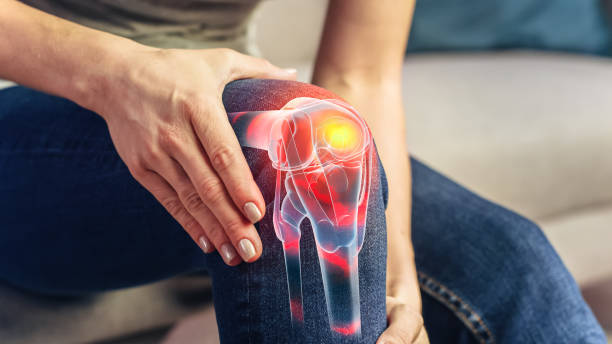
One day you're hopping up the stairs without thinking twice. A week later, you're negotiating with your own knees like they're stubborn coworkers who suddenly refuse to cooperate. Going for a walk hurts. Sitting still hurts. Somehow, even doing absolutely nothing has become suspiciously uncomfortable.
Knee pain has a funny way of showing up differently depending on what's causing it. The location, timing, and type of discomfort often tell a surprisingly detailed story—if you know how to listen.
Walking Pain Often Points to Overuse
If your knee starts aching after a walk around the neighborhood or halfway through a shopping trip, your joint may be reacting to repetitive stress.
Muscles, tendons, cartilage, and ligaments all work together every time you take a step. When one part becomes irritated, the whole system complains. Sometimes it's the result of increasing your exercise too quickly. Other times it's worn cartilage or a minor tendon injury that has quietly been building for weeks.
If discomfort lingers instead of improving, seeing a knee pain specialist can help uncover what's happening before a small issue becomes a larger one.
Bodies usually whisper before they shout.
Climbing Stairs Uses Different Muscles
Stairs ask a lot from your knees.
Going up requires strength, while walking down places extra pressure on the kneecap and surrounding structures. Pain around the front of the knee often suggests irritation involving the kneecap or the cartilage beneath it, while discomfort along the inside or outside may point toward other joint or soft tissue problems.
It's amazing how a perfectly ordinary staircase can suddenly feel like a mountain when your knees aren't happy.
Fortunately, pain on stairs doesn't automatically mean surgery is waiting around the corner.
Resting Pain Can Feel Confusing
Many people expect pain only during movement.
Then their knee begins aching while watching television or lying in bed.
Pain at rest sometimes reflects inflammation, arthritis, or irritation that has continued long after activity ends. It may also occur following an injury when tissues are still healing.
That lingering ache isn't necessarily a sign that everything is getting worse, but it does deserve attention if it continues or becomes more intense over time.
Your body occasionally sends reminders after the busy part is over.
Swelling Changes the Picture
Pain accompanied by swelling deserves a closer look.
Fluid inside or around the joint may develop after an injury, from arthritis, or because of inflammation in one of the small fluid-filled sacs called bursae. When bursitis is the cause, simple movements like kneeling or standing up can become surprisingly uncomfortable.
Depending on the severity, knee bursitis treatment may include rest, ice, anti-inflammatory medication, physical therapy, or other treatments recommended by a healthcare provider.
The important part is identifying the reason behind the swelling instead of simply waiting it out.
Clicking Isn't Always Bad
Here's one that surprises people.
Healthy knees can click, pop, or crack without causing any harm at all. Those sounds often come from tendons moving or tiny gas bubbles within the joint.
The story changes if clicking is paired with pain, swelling, locking, or the feeling that your knee catches during movement.
That's when it's worth paying closer attention.
Noise alone isn't usually the problem.
Pain changes the conversation.
Don't Ignore Changes That Keep Returning
Maybe the pain disappears for a few days.
Then it comes back after gardening, exercising, or walking the dog.
Recurring symptoms often suggest the underlying issue never fully resolved. That's especially true if you're repeatedly limiting activities because you're worried your knee will act up again.
Small Problems Respond Best to Early Care
One of the biggest mistakes people make is waiting months before seeking help because the discomfort feels "not quite bad enough."
Meanwhile, they change how they walk, avoid exercise, or compensate with the other leg, creating entirely new aches along the way.
Early bursitis treatment or evaluation for another knee condition often helps restore normal movement before compensation leads to additional problems. If symptoms persist, both a knee pain specialist and personalized knee bursitis treatment can play an important role in getting you comfortably back to daily life.
More Posts


Report This Post
Please complete the following requested information to flag this post and report abuse, or offensive content. Your report will be reviewed within 24 hours. We will take appropriate action as described in Findit terms of use.
