


Right Now

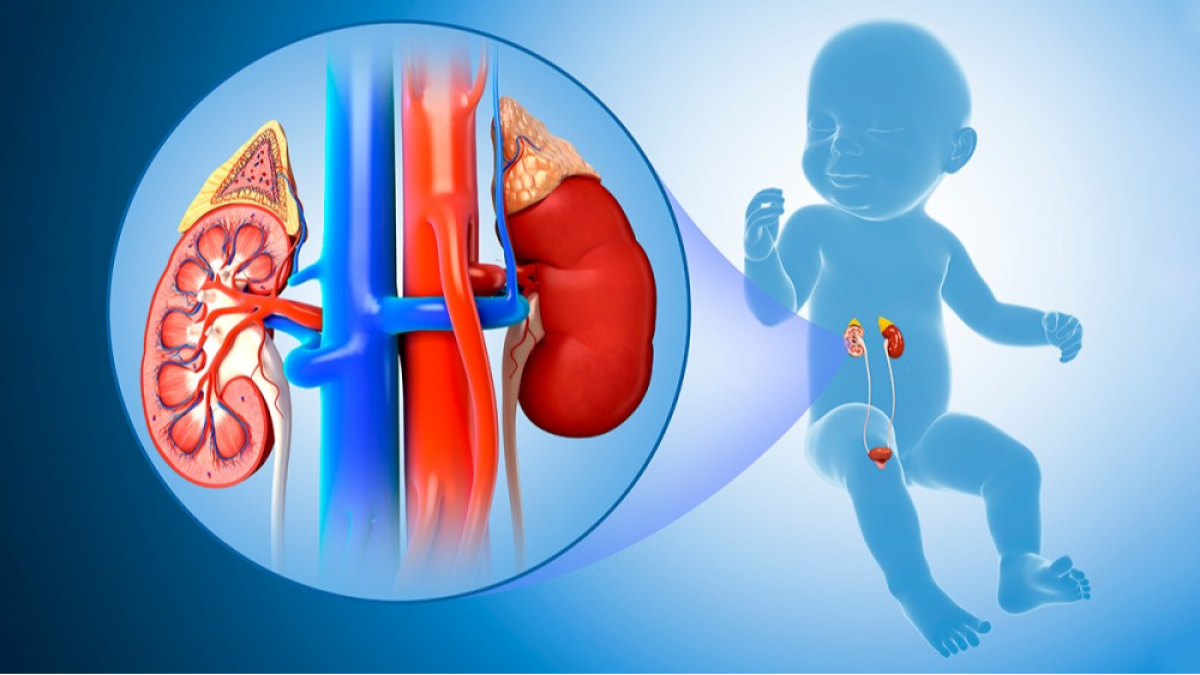
The Importance of Early Intervention in Kids Urology Treatment
Early intervention in pediatric urology is crucial to ensure a child’s healthy development and prevent long-term complications. Urological conditions, if left untreated, can lead to kidney damage, infections, and other serious health issues. As a parent, recognizing the signs of potential problems and seeking timely medical care can make a significant difference in your child’s overall health.
This blog explores why early intervention is important, common pediatric urological issues, and how parents can play an active role in managing their child’s care.
Why Early Intervention Matters
1. Prevents Complications
Many pediatric urological conditions, such as urinary tract infections (UTIs) or vesicoureteral reflux (VUR), can escalate if untreated. Early diagnosis and treatment help prevent:
- Kidney damage
- Recurrent infections
- Long-term health problems like hypertension
2. Promotes Normal Development
Conditions like bladder control issues or congenital abnormalities can interfere with a child’s physical and emotional growth. Early treatment ensures:
- Proper urinary function
- A positive self-image and social interactions
3. Improves Treatment Outcomes
Intervening early allows for:
- Less invasive treatments
- Quicker recovery
- Better chances of full resolution of the condition
Common Urological Issues in Children
1. Urinary Tract Infections (UTIs)
- Symptoms: Fever, painful urination, frequent urination, foul-smelling urine.
- Why Early Treatment Matters: Prevents kidney infections and scarring.
2. Vesicoureteral Reflux (VUR)
- What It Is: Urine flows backward from the bladder to the kidneys.
- Risks of Delay: Increased risk of kidney infections and damage.
3. Bedwetting (Enuresis)
- Causes: Developmental delays, bladder dysfunction, or stress.
- Benefits of Early Intervention: Identifies underlying causes and improves a child’s confidence.
4. Undescended Testicles (Cryptorchidism)
- Why It’s Serious: Can lead to fertility issues or a higher risk of testicular cancer later in life.
- Recommended Age for Treatment: Surgery is typically performed between 6 months to 1 year.
5. Congenital Abnormalities
- Examples: Hypospadias (urethral opening on the underside of the penis), posterior urethral valves (blockages in the urinary tract).
- Why Early Repair Is Essential: Ensures normal urinary and reproductive function.
Signs That Early Intervention May Be Needed
Parents should watch for these signs and consult a pediatric urologist if they notice: Worried about your child’s urological health? If you're concerned, don’t hesitate to consult the specialists at SSurocare. We’re here to guide you with the best urology treatment for kids in Bangalore
- Difficulty urinating or pain during urination
- Frequent UTIs
- Persistent bedwetting beyond the age of 5–6
- Swelling or unusual changes in the genital area
- Blood in the urine
Steps in Early Intervention
1. Timely Diagnosis
- Prenatal Screening: Advanced imaging techniques like ultrasounds can detect issues like kidney abnormalities during pregnancy.
- Postnatal Testing: Blood tests, urine analysis, and imaging studies (like X-rays or MRIs) provide accurate diagnoses.
2. Individualized Treatment Plans
- Every child’s condition is unique. Pediatric urologists create tailored treatment plans that may include:
- Medications
- Behavioral therapy
- Surgical procedures, if necessary
3. Regular Follow-Ups
- Regular monitoring ensures the condition is under control and adjusts treatments as needed.
How Parents Can Help
1. Be Observant
Pay attention to your child’s symptoms and any changes in their urinary habits. Early detection starts at home.
2. Encourage Good Hygiene
Teach your child proper hygiene habits to prevent UTIs, such as wiping front to back for girls and washing hands after using the restroom.
3. Maintain Open Communication
Discuss any symptoms or concerns with your child in a non-judgmental way to encourage them to share how they feel.
4. Follow Medical Advice
Adhere to prescribed treatments, attend follow-up appointments, and keep your child’s healthcare provider informed about their progress.
5. Educate Yourself
Understanding your child’s condition empowers you to make informed decisions and advocate for their care.
Advances in Early Intervention
Pediatric urology has benefited from significant medical advancements, improving the outcomes of early intervention.
Minimally Invasive Procedures
- Examples: Robotic-assisted and laparoscopic surgeries.
- Benefits: Faster recovery, minimal scarring, and reduced pain.
Prenatal Interventions
- Some conditions, like severe kidney blockages, can now be treated even before birth through fetal surgery or interventions.
Advanced Imaging Technology
- High-resolution ultrasounds, CT scans, and MRIs provide detailed views of a child’s anatomy, aiding precise diagnoses and treatment planning.
Real-Life Example: Success of Early Intervention
Case Study: Vesicoureteral Reflux
A 2-year-old girl experiencing recurrent UTIs was diagnosed with VUR through imaging studies. Early intervention with antibiotics and eventually minimally invasive surgery successfully resolved her condition. She has since grown up healthy, with no long-term kidney damage.
This highlights the importance of acting early when symptoms first appear.
Conclusion
Early intervention in pediatric urology is not just about addressing immediate symptoms—it’s about safeguarding your child’s future health. Whether it’s a minor issue like bedwetting or a more serious condition like kidney abnormalities, timely medical care can make a world of difference.
As a parent, staying informed, proactive, and involved in your child’s healthcare journey is crucial. If you notice signs of a urological issue or have concerns, don’t hesitate to consult a pediatric urologist. With early diagnosis and modern treatments, your child can enjoy a healthy, worry-free future.
More Posts


Report This Post
Please complete the following requested information to flag this post and report abuse, or offensive content. Your report will be reviewed within 24 hours. We will take appropriate action as described in Findit terms of use.
