


Right Now

What to Expect During a Kidney Stone Procedure
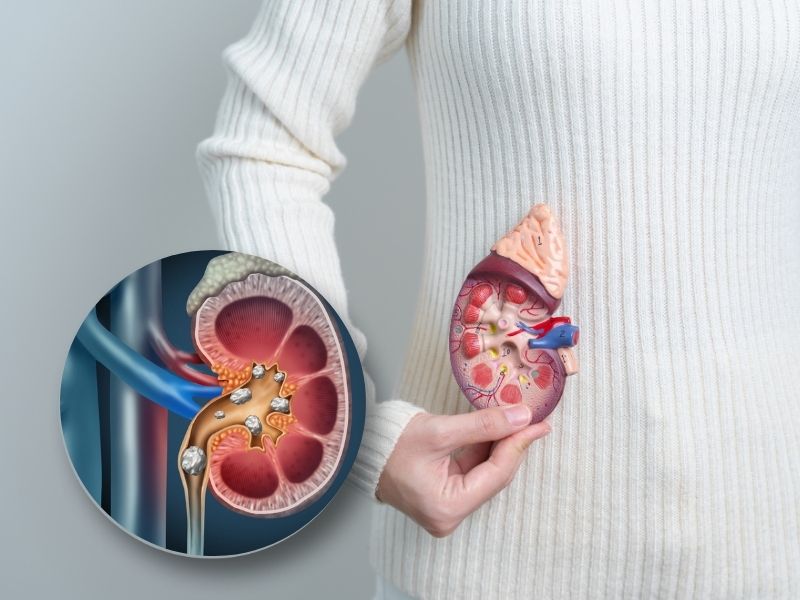
Kidney stones are hard deposits of minerals and salts that form in the kidneys and can cause intense pain as they pass through the urinary tract. If the stones are too large to pass naturally or cause complications like blockages, bleeding, or infections, a kidney stone procedure may be necessary. Understanding what to expect during the procedure can help reduce anxiety and ensure a smooth experience.
Here’s a breakdown of what you can expect during a kidney stone procedure.
1. Initial Consultation and Diagnosis
Before any procedure, you’ll meet with your urologist for an initial consultation. During this visit, the doctor will assess your symptoms and may order imaging tests, such as an ultrasound, CT scan, or X-ray, to determine the size, location, and type of kidney stones. Blood and urine tests may also be conducted to check for signs of infection or other complications.
Key Points
- Discuss your medical history and current symptoms.
- Imaging tests will guide the treatment plan.
- The doctor will explain the various treatment options based on the size and location of the stones.
2. Preparation for the Procedure
Once the type and size of the kidney stone have been identified, the urologist will recommend a procedure. There are several methods for treating kidney stones, and preparation will depend on the procedure chosen:
Types of Kidney Stone Procedures
- Shock Wave Lithotripsy (SWL): This non-invasive treatment uses sound waves to break kidney stones into smaller pieces that can be passed through urine.
- Ureteroscopy: A thin tube (ureteroscope) is inserted into the urinary tract to locate and remove or break the stone.
- Percutaneous Nephrolithotomy (PCNL): A minimally invasive procedure used for larger stones, where a small incision is made in the back to directly access and remove the stone.
- Open Surgery: Rarely needed, open surgery is used for very large or complex kidney stones that can’t be treated with the other methods.
Preparation Steps
- Fasting: You may be asked to avoid eating or drinking for several hours before the procedure.
- Medications: Inform your doctor of any medications you’re taking, especially blood thinners, as you may need to stop them before the procedure.
- Anesthesia: Depending on the procedure, you may receive local, regional, or general anesthesia to ensure you are comfortable during the treatment.
If You Are concerned about kidney stones in Bangalore, don’t hesitate to consult a specialist. Shree Srinivasa Uro Care offers expert kidney stone removal in Indiranagar Bangalore. Contact us today for guidance and effective treatment!
3. The Procedure
The specific steps of the procedure will depend on the method being used, but here’s an overview of what you can expect:
Shock Wave Lithotripsy (SWL)
- Duration: This procedure usually takes around 45 minutes to an hour.
- How It Works: You will lie on a treatment table, and the doctor will use sound waves to target the kidney stone. You may feel some pressure or discomfort during the procedure, but it is generally painless.
- Recovery: Most patients can go home the same day, although you may experience some blood in the urine and mild discomfort for a few days.
Ureteroscopy
- Duration: Ureteroscopy typically takes 30 minutes to 1 hour.
- How It Works: A flexible tube (ureteroscope) is passed through the urethra and bladder to reach the stone in the ureter or kidney. The stone is either removed or broken into smaller pieces using a laser.
- Recovery: You may need to stay in the hospital for a few hours after the procedure. A stent may be placed in the ureter to ensure urine flows smoothly while you recover.
Percutaneous Nephrolithotomy (PCNL)
- Duration: This procedure can take between 1 and 3 hours, depending on the complexity.
- How It Works: A small incision is made in the back to access the kidney. The stone is either removed or broken up using a laser or other instruments.
- Recovery: You may need to stay in the hospital for a day or two. Pain and blood in the urine are common after PCNL, but the recovery period is generally quick with proper care.
Open Surgery
- Duration: Open surgery is rare but can take several hours depending on the complexity of the stone’s location.
- How It Works: An incision is made in the abdomen or back to directly remove the stone. This method is typically only used for very large stones or when other methods are not successful.
- Recovery: The hospital stay is longer, and you may experience significant discomfort and a longer recovery time.
4. Post-Procedure Care and Recovery
After the procedure, you will be monitored in a recovery room to ensure there are no complications. The recovery process can vary depending on the method used, but here are some general guidelines:
Common Aftercare Tips
- Pain Management: You may be prescribed pain medication to manage any discomfort.
- Hydration: Drink plenty of water to help flush out any small stone fragments.
- Rest: Take it easy for a few days to allow your body to heal.
- Follow-up Appointments: It’s important to attend follow-up visits with your urologist to ensure that all stones have been removed and to monitor your recovery.
Signs to Watch For
- Severe pain
- Fever or chills
- Difficulty urinating
- Persistent bleeding
If you experience any of these symptoms, contact your doctor immediately.
5. Long-Term Outlook
Most patients experience significant relief after kidney stone procedures. However, kidney stones may recur in the future. To reduce the risk of developing new stones, your urologist may recommend dietary changes, increased water intake, and medications to prevent future stone formation.
Conclusion
While the thought of a kidney stone procedure can be intimidating, modern medical techniques are minimally invasive and effective in treating kidney stones. Whether you undergo shock wave lithotripsy, ureteroscopy, or PCNL, you can expect a clear path toward recovery with proper care and follow-up. By understanding the process, you can feel more confident and prepared for the procedure, ultimately leading to a smoother experience and improved health outcomes.
More Posts


Report This Post
Please complete the following requested information to flag this post and report abuse, or offensive content. Your report will be reviewed within 24 hours. We will take appropriate action as described in Findit terms of use.
